The Ultimate Guide to Underfloor Heating Installation in Toronto


What is Underfloor Heating?
Underfloor heating is an efficient way to warm your home by distributing heat evenly across the floor. This type of heating system is becoming increasingly popular in Toronto due to its ability to maintain a consistent temperature while being energy-efficient. It works by circulating warm water through pipes or using electric heating elements installed beneath the floor surface.
Why Choose Underfloor Heating in Toronto?
The cold winters in Toronto make underfloor heating an attractive option for homeowners. Unlike traditional radiators, underfloor heating provides even warmth throughout a room, eliminating cold spots. Additionally, it frees up wall space, giving your home a more open feel.
Another advantage is the cost-effectiveness. Though the initial installation might be more expensive, the long-term energy savings and increased property value often outweigh the upfront costs.
Types of Underfloor Heating Systems
Water-Based Systems
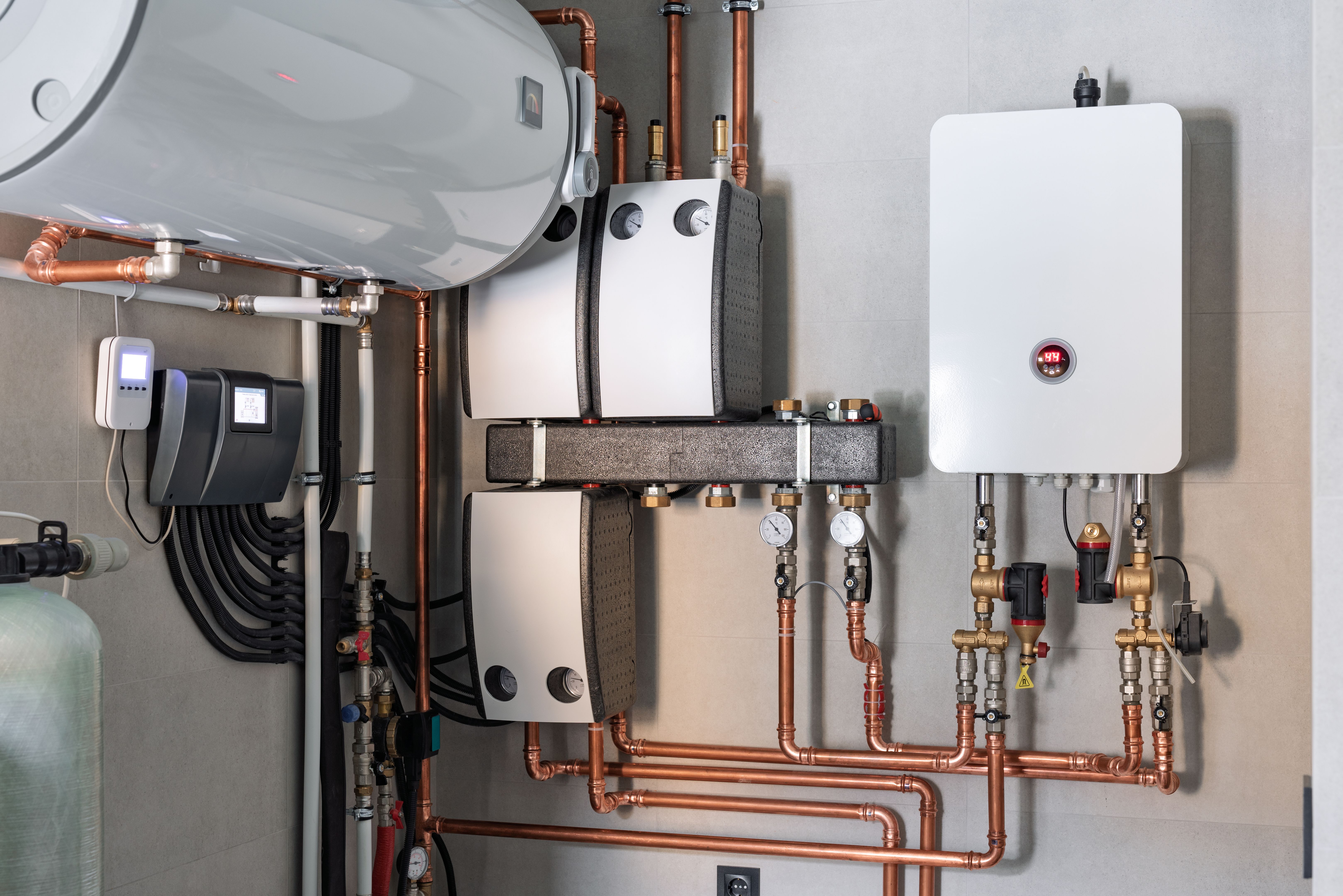
Water-based underfloor heating systems, also known as hydronic systems, use a network of pipes to circulate warm water beneath the floor. These systems are ideal for large areas and are often more energy-efficient than their electric counterparts.
Electric Systems
Electric underfloor heating systems use cables or mats that are installed beneath the floor surface. These are generally easier and faster to install, making them a popular choice for smaller spaces or renovation projects.
Steps to Install Underfloor Heating
- Plan the layout: Determine the areas where you want to install the system and calculate the necessary materials.
- Prepare the floor: Ensure the subfloor is clean, dry, and well-insulated to maximize efficiency.
- Install the system: Lay the pipes or cables according to your plan, making sure they are evenly spaced.
- Connect to the power source: For electric systems, connect to a thermostat. For water systems, link to a boiler.
- Test the system: Before sealing the floor, test the system to ensure it functions correctly.

Choosing the Right Flooring
The type of flooring you choose can affect the efficiency of your underfloor heating system. Materials like tile, stone, and laminate are excellent conductors of heat, making them ideal choices. Carpet can be used, but it may require a higher temperature setting to achieve the desired warmth.
Maintenance and Troubleshooting
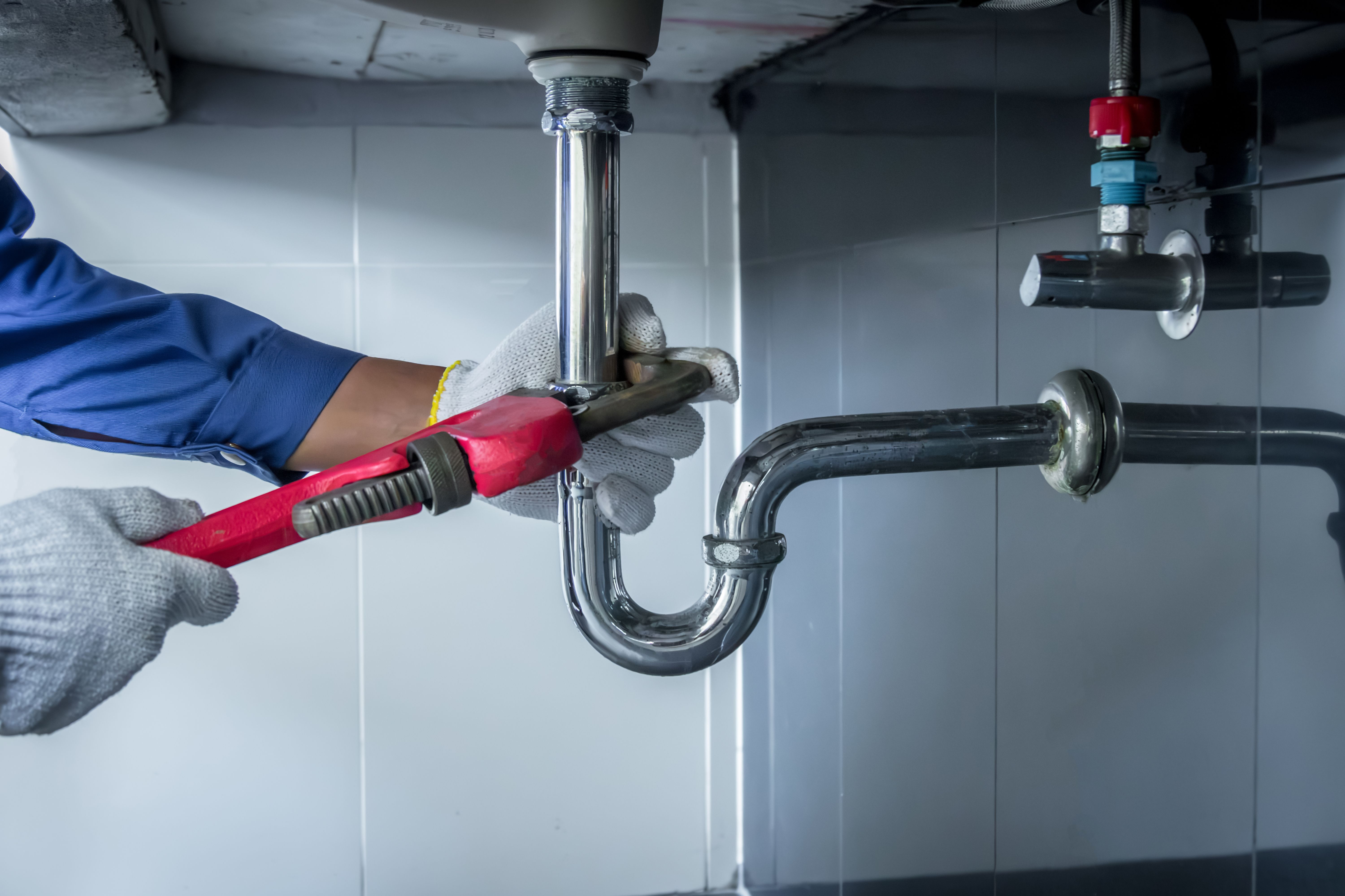
Underfloor heating systems require minimal maintenance. However, regular checks and servicing can prevent potential issues. For hydronic systems, ensure there are no leaks. For electric systems, check the connections and thermostat functionality.
If you encounter issues, it's often best to consult with a professional to avoid damaging the system.

Conclusion
Underfloor heating is an excellent investment for Toronto homeowners seeking comfort and efficiency. By understanding the types of systems, installation steps, and maintenance requirements, you can make an informed decision that aligns with your needs and budget.