Myths About Vinyl Flooring: What You Really Need to Know


Understanding Vinyl Flooring
Vinyl flooring has become a popular choice for homeowners and designers alike, thanks to its durability and versatility. However, despite its popularity, several myths persist about this type of flooring. It's essential to separate fact from fiction to make informed decisions about your flooring needs.
Myth 1: Vinyl Flooring is Outdated
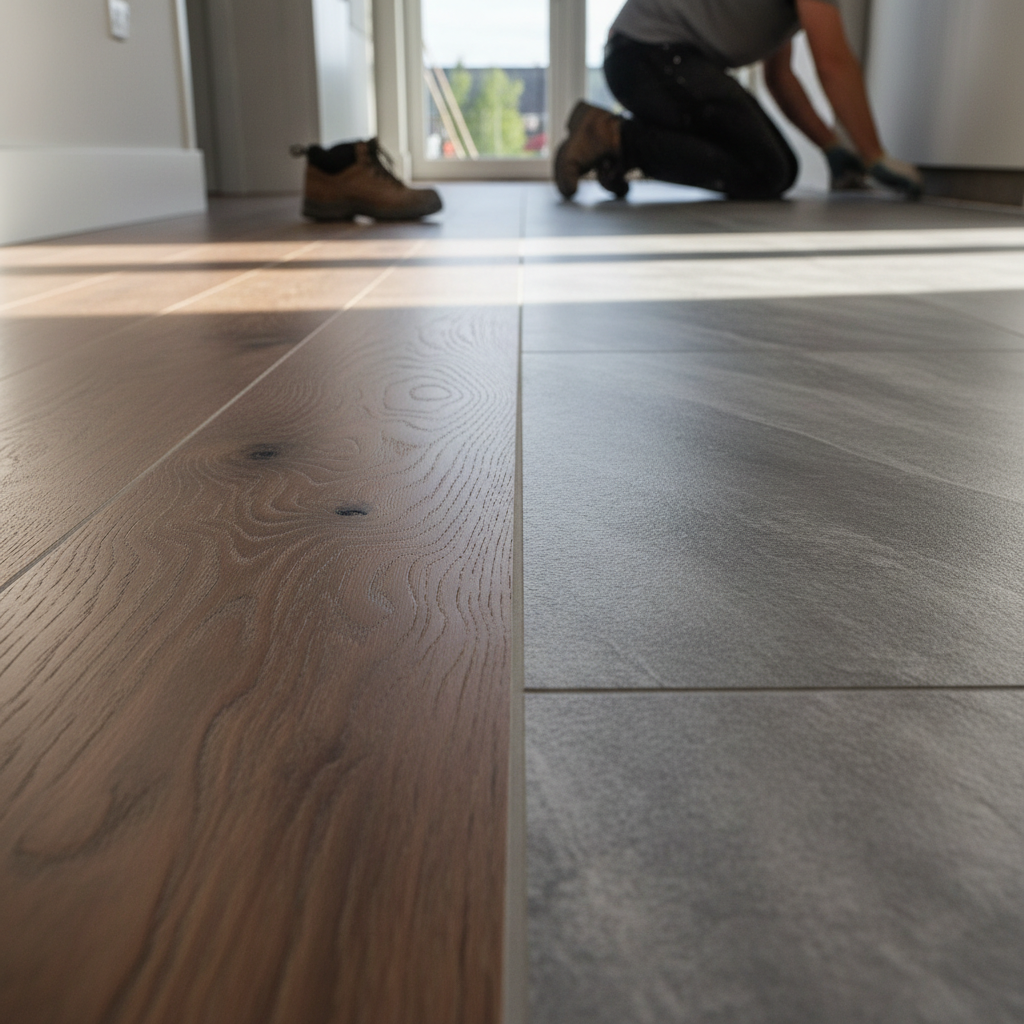
One common misconception is that vinyl flooring is outdated and lacks style. In reality, today's vinyl flooring offers a wide range of designs, colors, and textures. Modern vinyl can mimic the look of wood, stone, and ceramic, providing an elegant appearance that fits various decor styles.
Thanks to advancements in printing technology, vinyl flooring now features intricate patterns and a high-quality finish, making it a trendy option for both contemporary and traditional settings.
Myth 2: Vinyl Flooring is Not Durable
Another myth is that vinyl flooring is not durable enough for high-traffic areas. On the contrary, vinyl is known for its resilience. It is designed to withstand heavy foot traffic, making it ideal for busy households and commercial spaces.
The durability of vinyl flooring is due to its multi-layer construction, which often includes a wear layer that protects against scratches and stains. This makes it a practical choice for kitchens, bathrooms, and living areas.
Myth 3: Vinyl Flooring is Hard to Maintain
Some people believe that vinyl flooring requires excessive maintenance. However, vinyl is one of the easiest flooring types to maintain. Regular sweeping and occasional mopping with a mild cleaner are usually sufficient to keep it looking new.
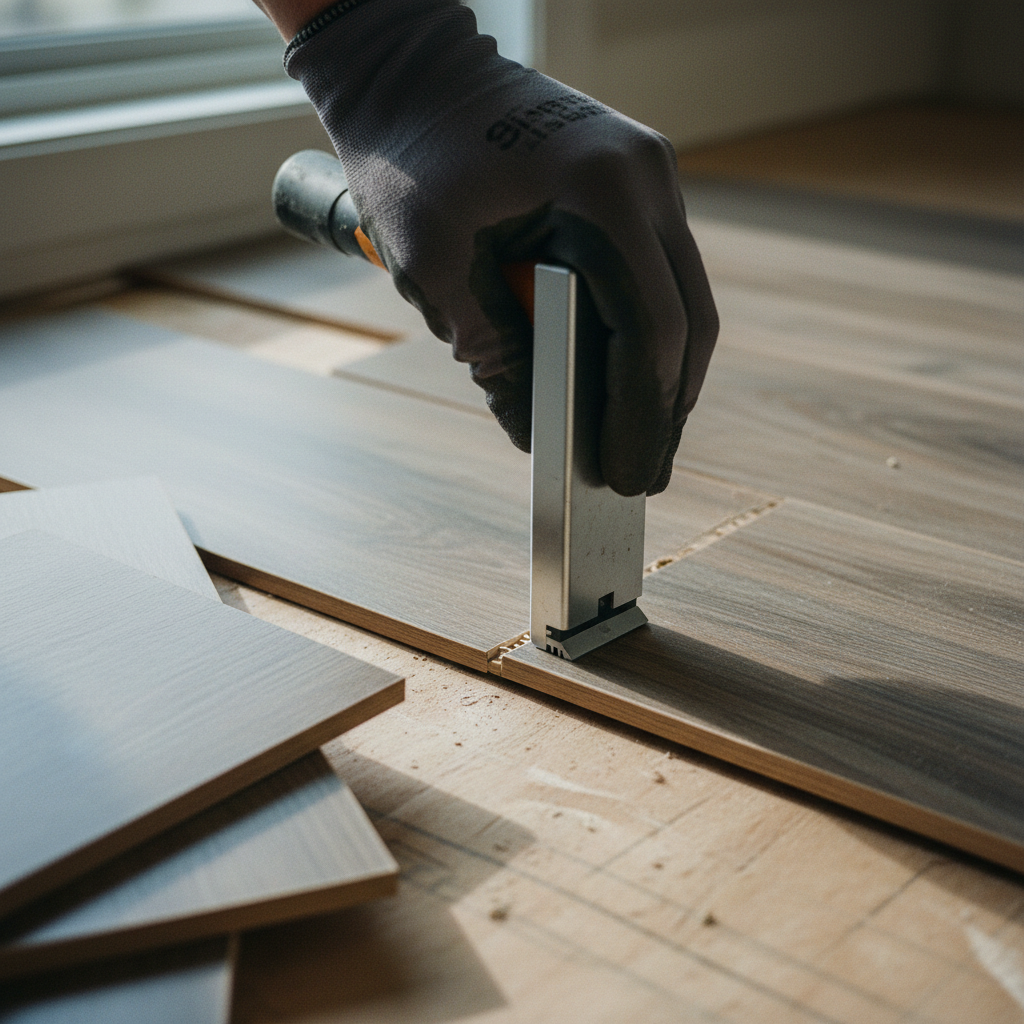
Unlike hardwood floors, vinyl does not need waxing or polishing. Its water-resistant properties also make it less susceptible to water damage, reducing the need for costly repairs.
Myth 4: Vinyl Flooring is Harmful to the Environment
Concerns about environmental impact have led to the belief that vinyl flooring is not eco-friendly. Many manufacturers now produce vinyl flooring with sustainability in mind. Options made from recycled materials and low-VOC (Volatile Organic Compounds) vinyls are now available, reducing their environmental footprint.
Additionally, the long lifespan of vinyl flooring means fewer replacements over time, contributing to less waste. Always look for certifications that indicate environmentally friendly practices when purchasing vinyl flooring.
Conclusion
Vinyl flooring is a versatile and durable option that can suit a wide range of styles and spaces. By debunking these myths, it becomes clear that vinyl is not only a practical choice but also a fashionable one. Consider vinyl flooring for your next home renovation project to enjoy its many benefits.