How to Choose the Right Type of Wood for Your Floors: A Comprehensive Guide


Understanding Different Types of Wood Flooring
Choosing the right type of wood for your floors can significantly impact the aesthetics and functionality of your home. With a myriad of options available, it's essential to understand the characteristics of different woods to make an informed decision. This guide will walk you through the key considerations.
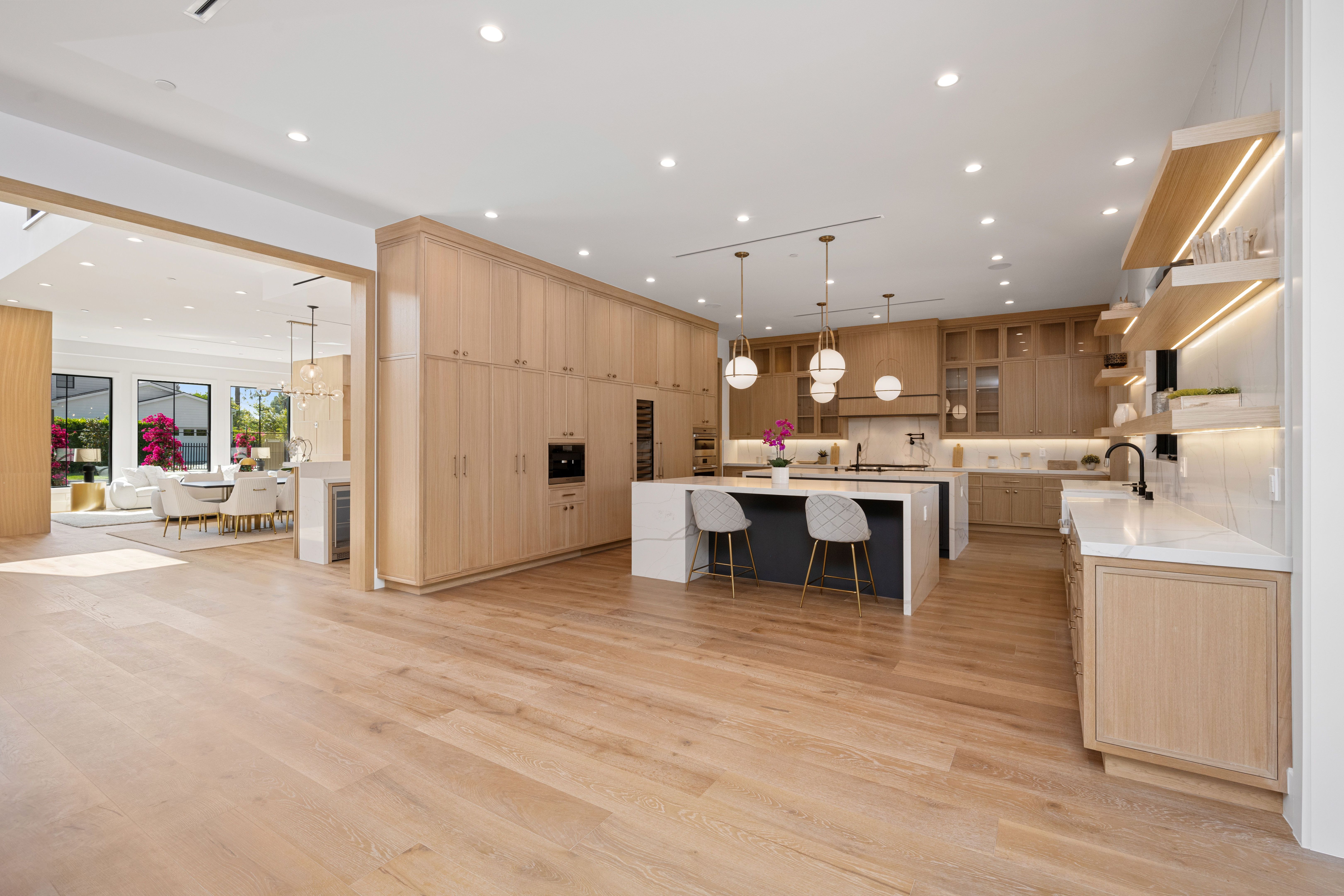
Solid Hardwood vs. Engineered Wood
Solid hardwood is made from a single piece of wood and is known for its durability and longevity. It can be sanded and refinished multiple times, making it a popular choice for many homeowners.
Engineered wood, on the other hand, consists of multiple layers of wood veneer. It is more resistant to moisture and temperature changes, making it suitable for basements and kitchens.
Popular Wood Species
When selecting wood for your floors, consider the species, as each has unique qualities:
- Oak: A classic choice, oak is durable and features a prominent grain pattern.
- Maple: Known for its subtle grain, maple offers a smooth and contemporary look.
- Cherry: With its rich color and fine grain, cherry adds warmth and elegance.
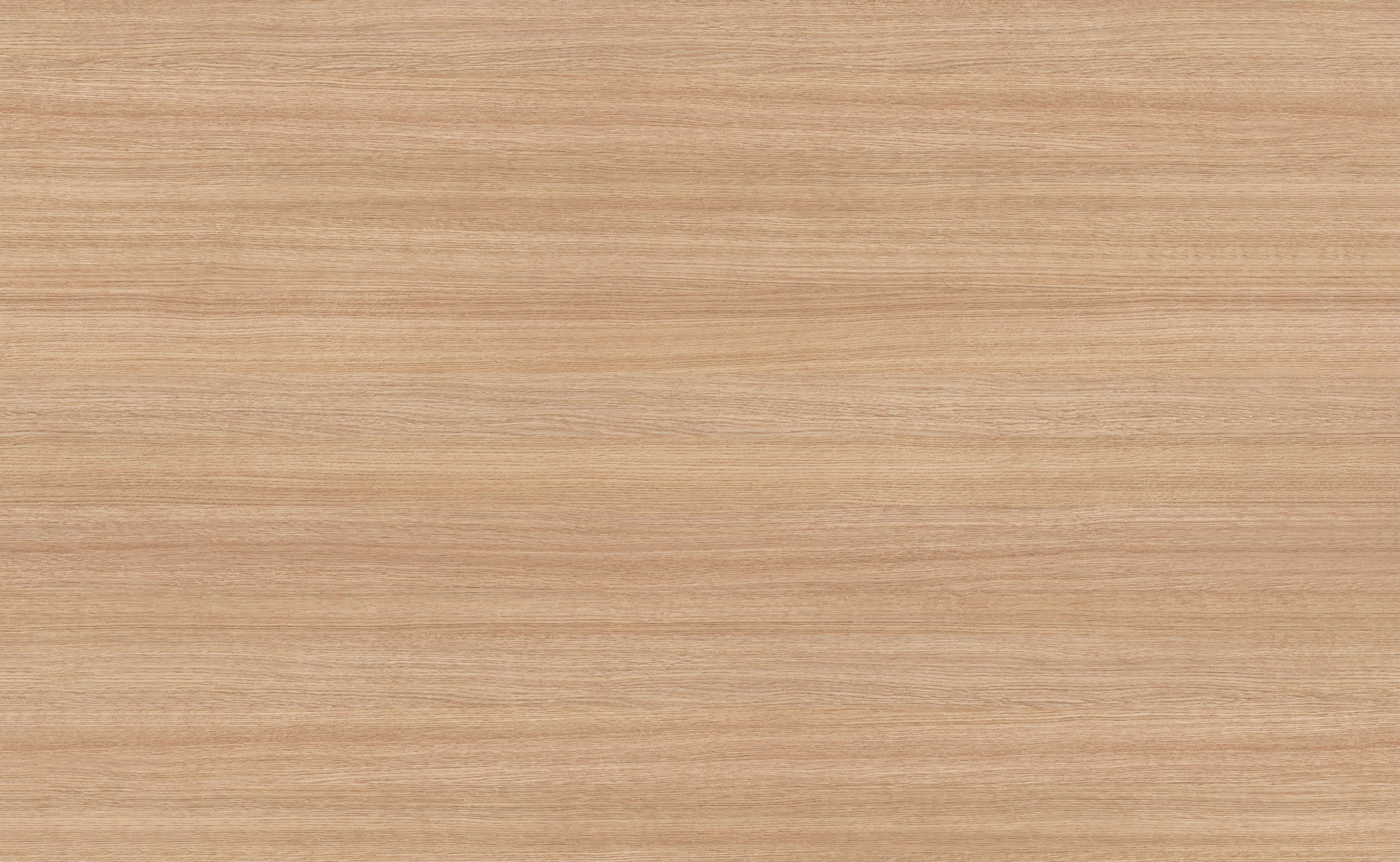
Considerations for Choosing the Right Wood
When selecting wood flooring, consider the following factors:
- Budget: Different wood types vary in cost, so choose one that fits your budget without compromising quality.
- Durability: If you have a high-traffic area, opt for a more durable species like oak or hickory.
- Style: Consider the overall aesthetic of your home and choose a wood that complements your interior design.
Finishing Options
The finish of your wood floors can enhance their appearance and protect them from wear. Common finishes include:
- Matte: Provides a natural look and hides scratches well.
- Satin: Offers a subtle shine and is easy to maintain.
- Glossy: Creates a polished look but may show scratches more easily.
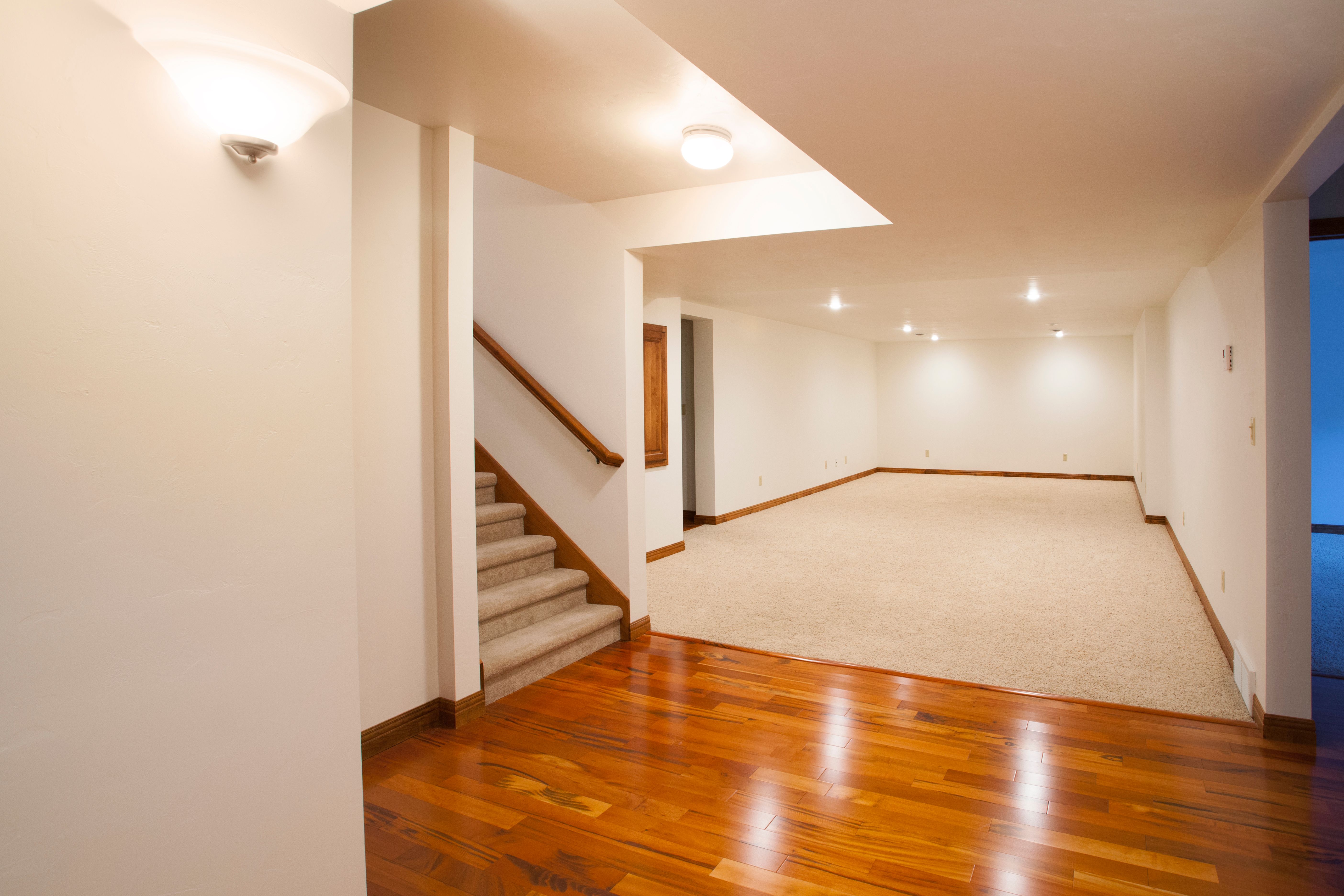
Environmental Considerations
For eco-conscious homeowners, sustainability is a crucial factor. Look for wood that is certified by organizations like the Forest Stewardship Council (FSC) to ensure responsible sourcing.
Additionally, consider reclaimed wood as an environmentally friendly option. It adds character and history to your space while reducing the demand for new lumber.
Conclusion
Choosing the right type of wood for your floors involves balancing aesthetics, functionality, and budget. By understanding the differences between wood types and finishes, you can make an informed decision that will enhance the beauty and value of your home for years to come.