Expert Advice: Avoiding Common Flooring Installation Mistakes


Understanding the Importance of Proper Flooring Installation
Installing new flooring can dramatically transform a space, but it's not without its challenges. Many homeowners think it's a straightforward process, only to encounter unexpected hurdles. To ensure a smooth installation, it's crucial to understand common mistakes and how to avoid them.
Proper planning and preparation are key to a successful flooring project. Rushing through the process can lead to costly errors and unsatisfactory results. Let's explore some expert advice to help you steer clear of these pitfalls.
Choosing the Right Flooring Material
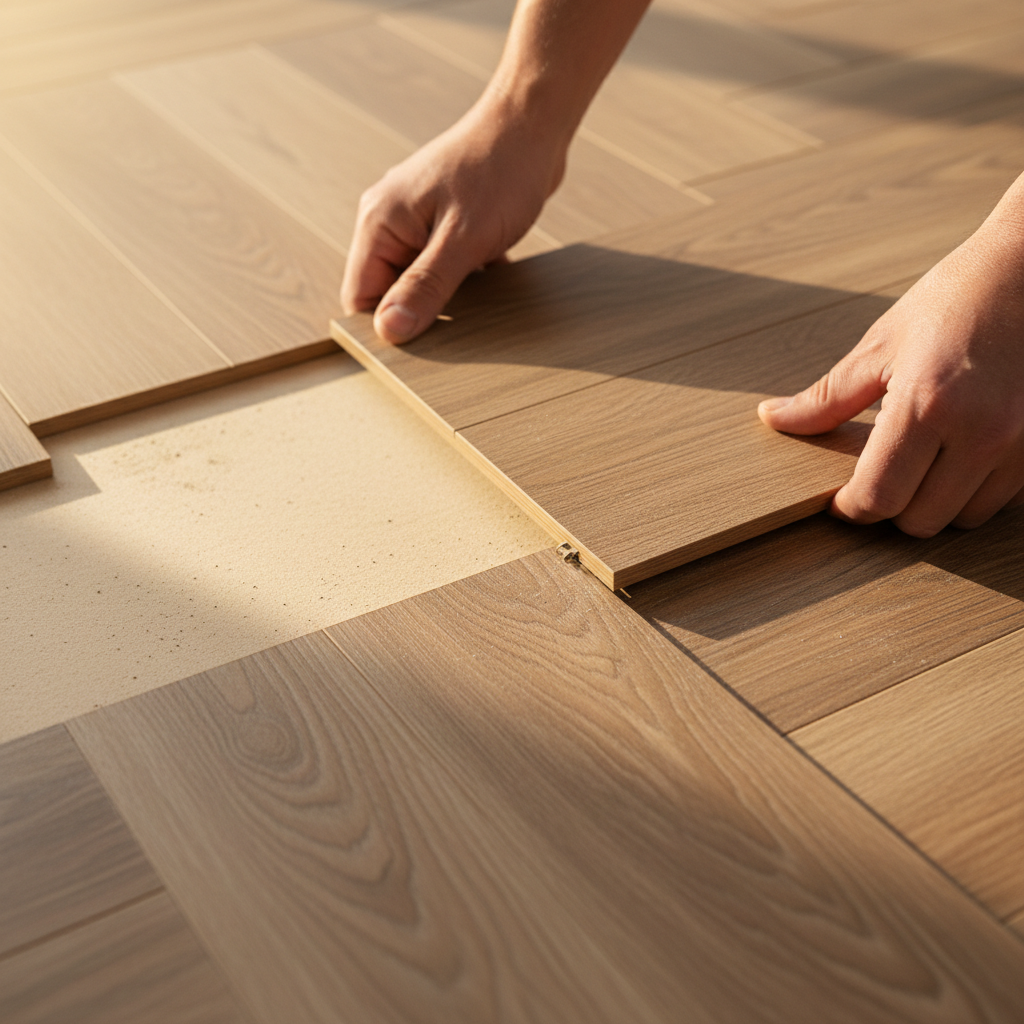
The first step in avoiding mistakes is selecting the appropriate flooring material for your specific needs. Not every type of flooring suits every environment. Consider factors such as foot traffic, moisture levels, and maintenance requirements.
For instance, hardwood may not be the best choice for a bathroom, where moisture could cause warping. Instead, opt for materials like tile or vinyl that can withstand damp conditions. This careful selection process will save time and frustration in the long run.
Assessing Subfloor Condition
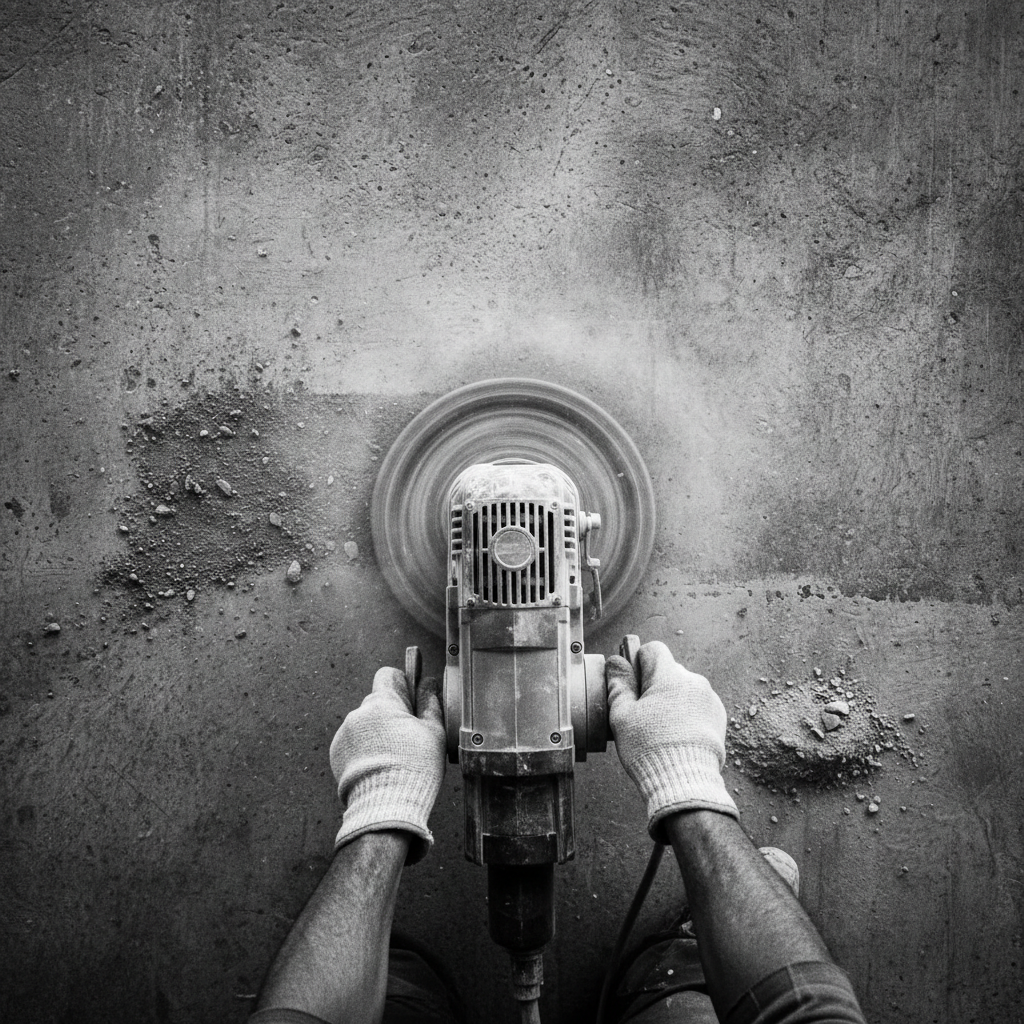
A critical but often overlooked step is assessing the condition of the subfloor. An uneven or damaged subfloor can cause significant problems, such as uneven surfaces or squeaking noises. Before installation, ensure the subfloor is clean, dry, and level.
Avoiding Measurement Mistakes
Accurate measurements are essential to avoid purchasing too much or too little material. Measure the area multiple times and consult with professionals if necessary. Remember to account for waste and irregularities.
Using the wrong tools can also lead to measurement errors. Invest in quality tools or consider hiring a professional for precise installation.
Ensuring Proper Acclimation
Many materials, such as hardwood and laminate, require acclimation to the room's temperature and humidity before installation. Failing to do so can lead to expansion or contraction after installation, causing gaps or buckling.

Following Manufacturer Guidelines
Every flooring type comes with specific manufacturer guidelines. Ignoring these instructions can void warranties and lead to poor results. Pay attention to recommended adhesives, underlayments, and installation techniques.
If you're uncertain, reach out to the manufacturer or a flooring specialist for guidance. Their expertise can prevent headaches and ensure your flooring lasts for years.
Sealing and Finishing Properly
Once installation is complete, proper sealing and finishing are necessary to protect and enhance the flooring. Neglecting this step can lead to premature wear and tear. Use high-quality sealants and finishes suited to your flooring material.
By taking the time to understand and implement these expert tips, you can avoid common flooring installation mistakes and enjoy a beautiful, long-lasting floor. Proper planning and attention to detail can make all the difference.