Comprehensive Guide to the Benefits of Engineered Versus Solid Hardwood


Introduction to Engineered and Solid Hardwood
When it comes to choosing the right flooring for your home, understanding the differences between engineered and solid hardwood is crucial. Both options offer unique advantages, and making an informed decision can enhance the beauty and value of your space.
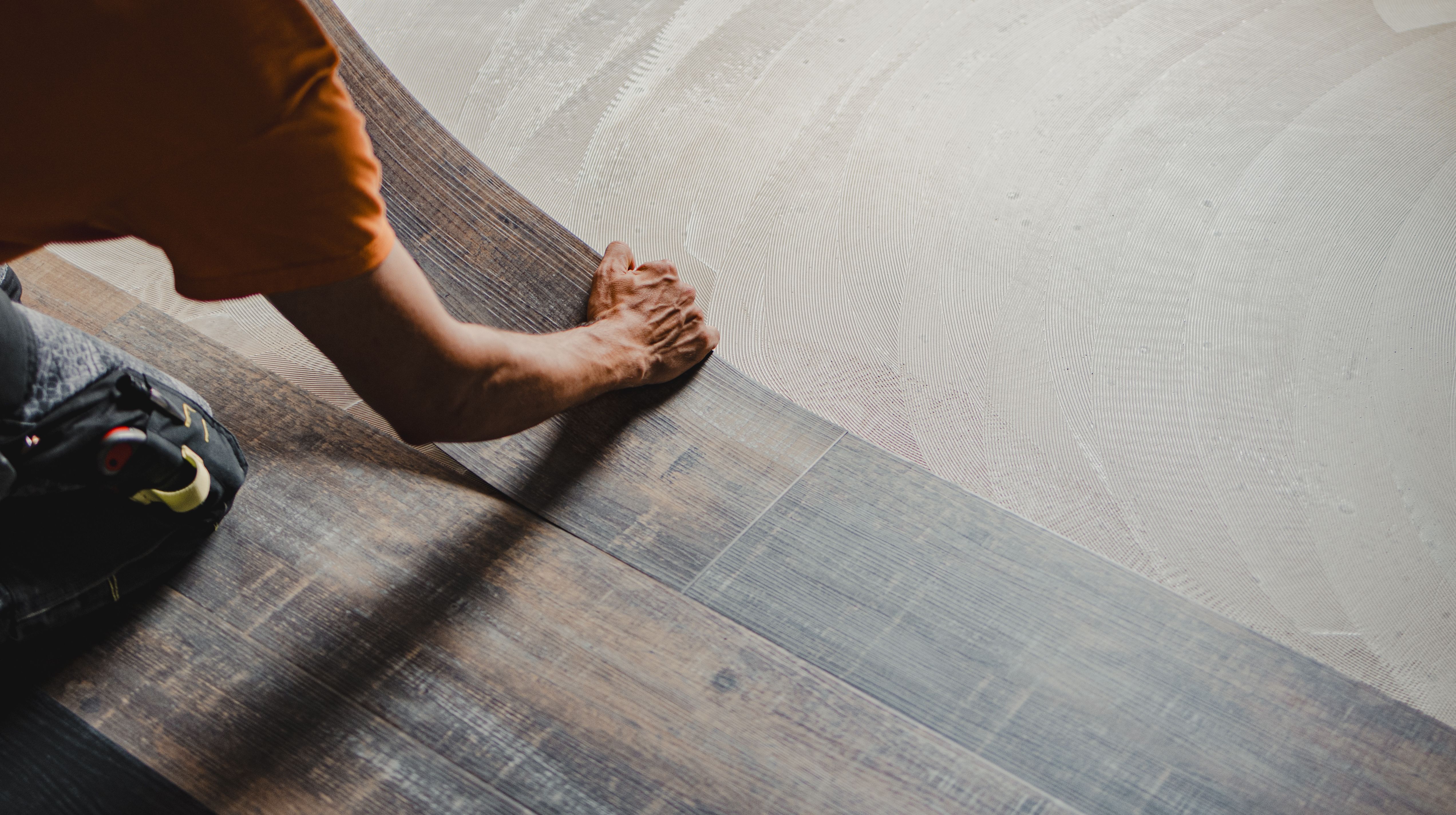
Understanding Solid Hardwood
What is Solid Hardwood?
Solid hardwood is crafted from a single piece of wood, offering a natural and authentic look. It is typically ¾ inch thick and can be sanded and refinished multiple times, making it a long-lasting choice for homeowners.
Benefits of Solid Hardwood
Durability: Solid hardwood is renowned for its strength and durability. With proper care, it can last for decades.
Aesthetics: Each plank is unique, providing a rich and genuine appearance that adds warmth to any room.
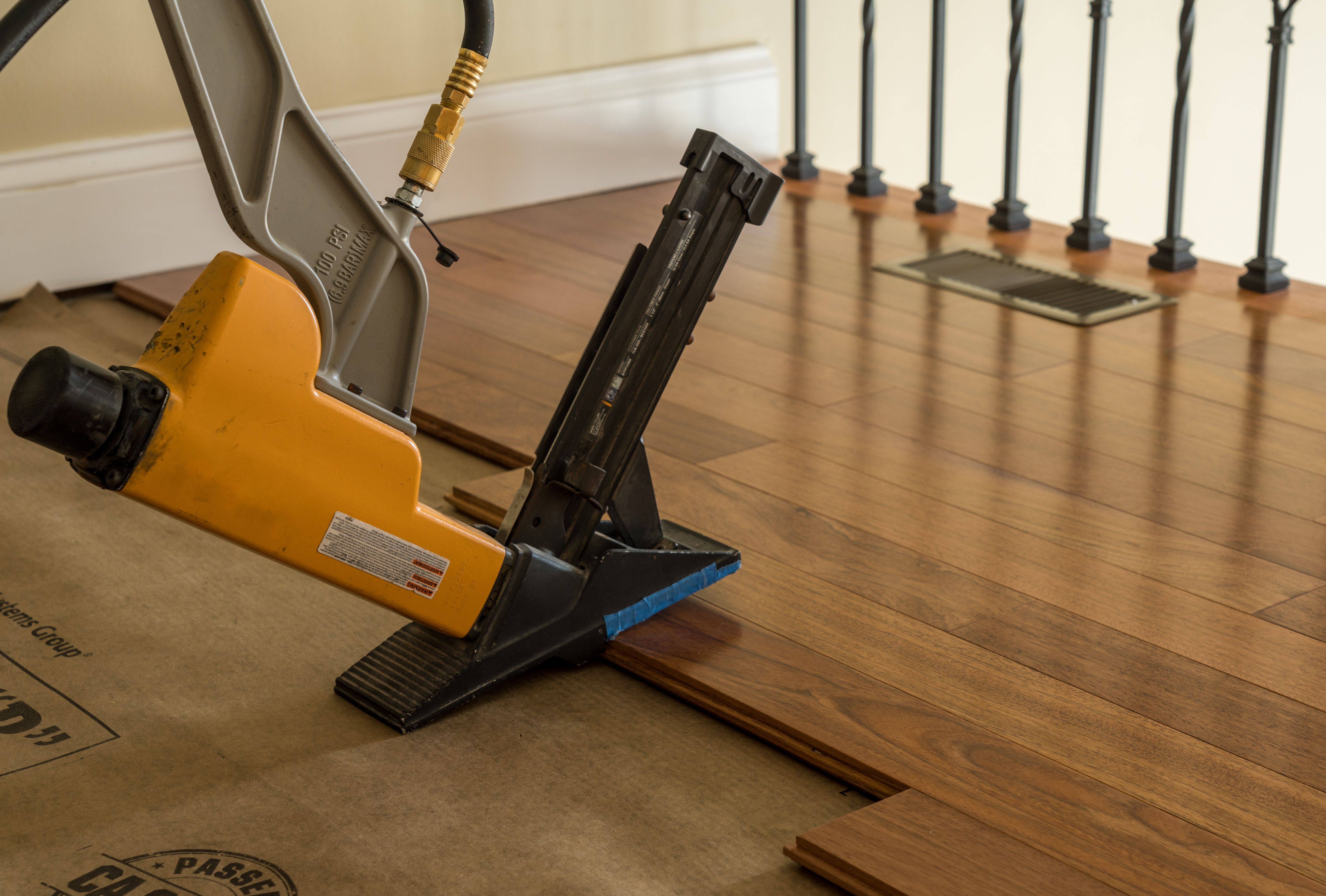
Exploring Engineered Hardwood
What is Engineered Hardwood?
Engineered hardwood consists of multiple layers of wood, with a top layer of genuine hardwood and a core of plywood or high-density fiberboard. This construction provides stability and resistance to environmental changes.
Benefits of Engineered Hardwood
Versatility: Due to its layered construction, engineered hardwood can be installed in basements and over concrete, where solid hardwood cannot.
Stability: It is less prone to expansion and contraction, making it ideal for areas with fluctuating humidity.
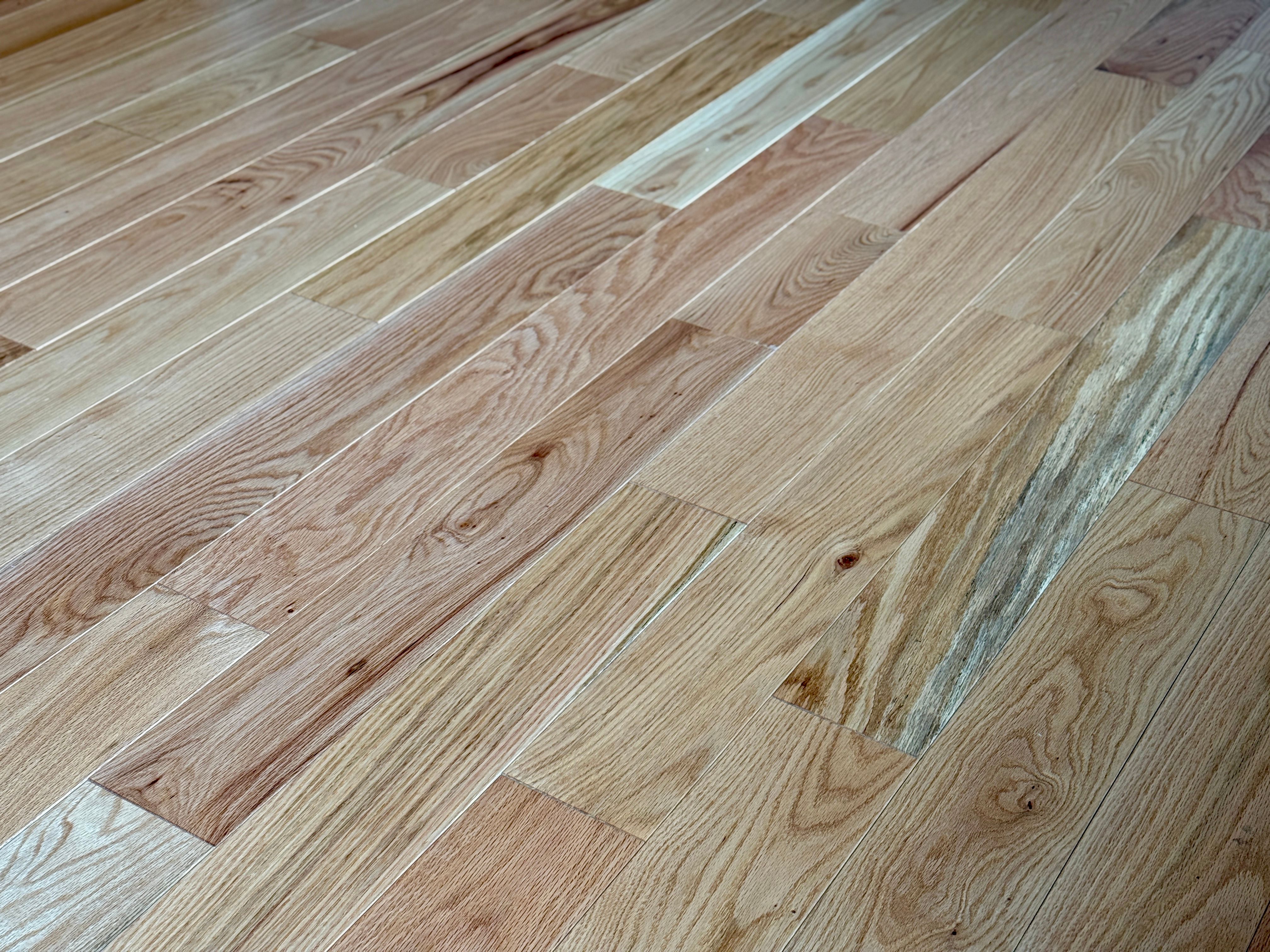
Comparing Costs and Installation
When considering costs, engineered hardwood often comes out as more budget-friendly, especially when installation is factored in. Solid hardwood requires professional installation, while engineered hardwood offers more DIY-friendly options.
Maintenance and Longevity
Both types of hardwood require regular maintenance to keep them looking their best. Solid hardwood may require more care due to its susceptibility to scratches and dents, while engineered hardwood’s finish can often be more resilient.
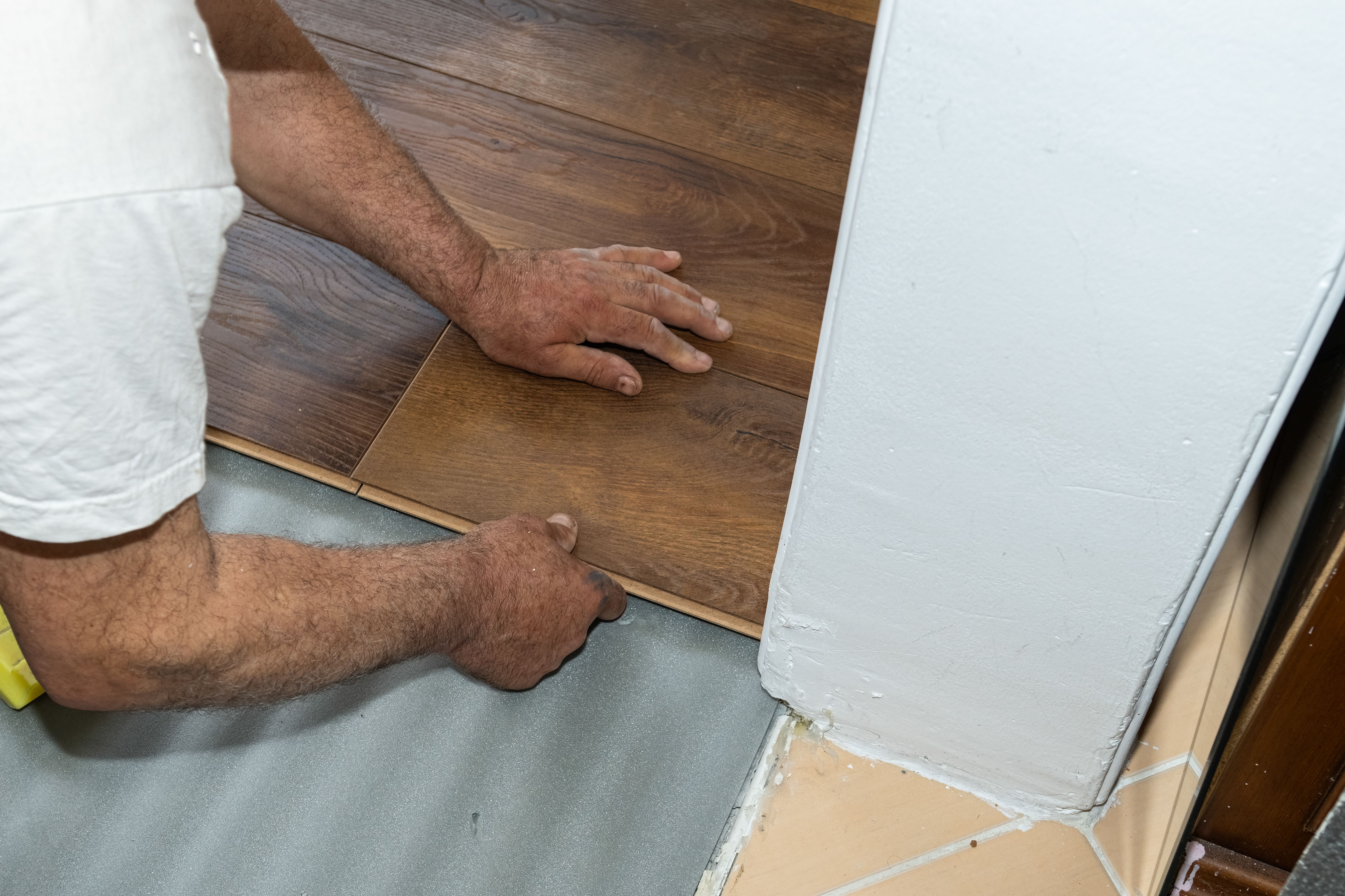
Making the Right Choice for Your Home
Choosing between engineered and solid hardwood depends on your specific needs, budget, and the environment of your home. Consider factors like moisture levels, room location, and your long-term plans for the space.
Conclusion
Both engineered and solid hardwoods offer unique benefits that can enhance the aesthetics and functionality of your home. By understanding their differences, you can make an informed decision that aligns with your lifestyle and design preferences.