Comparing Engineered vs. Solid Hardwood: Which is Right for Your Home?


Understanding the Basics
When it comes to selecting the perfect hardwood flooring for your home, the choice often boils down to engineered vs. solid hardwood. Both options offer unique benefits and can dramatically enhance the aesthetic appeal of your space. However, their differences in construction, durability, and cost can determine which is the better fit for your needs.
Solid hardwood is made from a single piece of wood, offering a natural beauty that many homeowners covet. On the other hand, engineered hardwood is composed of multiple layers of wood veneer, providing enhanced stability and resistance to moisture.
Durability and Longevity
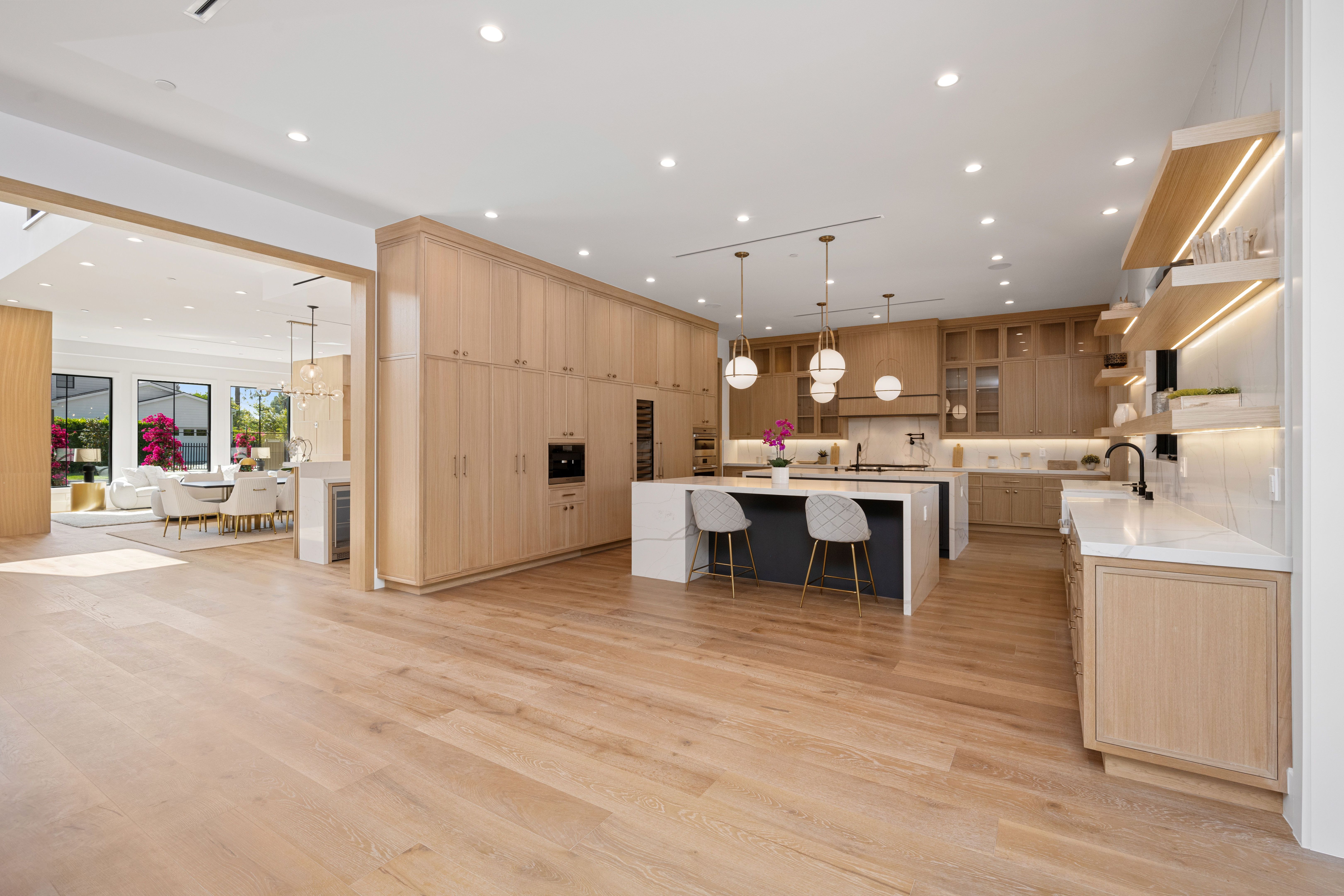
One of the most critical factors in deciding between engineered and solid hardwood is their durability. Solid hardwood floors are known for their long lifespan, often lasting for decades if properly maintained. They can be sanded and refinished multiple times, which allows you to refresh the look of your floors over the years.
Conversely, engineered hardwood is designed to withstand changes in humidity and temperature, making it ideal for areas like basements or kitchens. While it can also be refinished, the number of times is limited due to its layered construction. This makes engineered hardwood a strong contender for homes in climates with significant moisture variations.
Aesthetic Considerations
Both engineered and solid hardwood offer a wide variety of styles, colors, and finishes. Solid hardwood is often praised for its authentic and timeless appeal, providing a classic look that can be tailored to fit any design aesthetic.
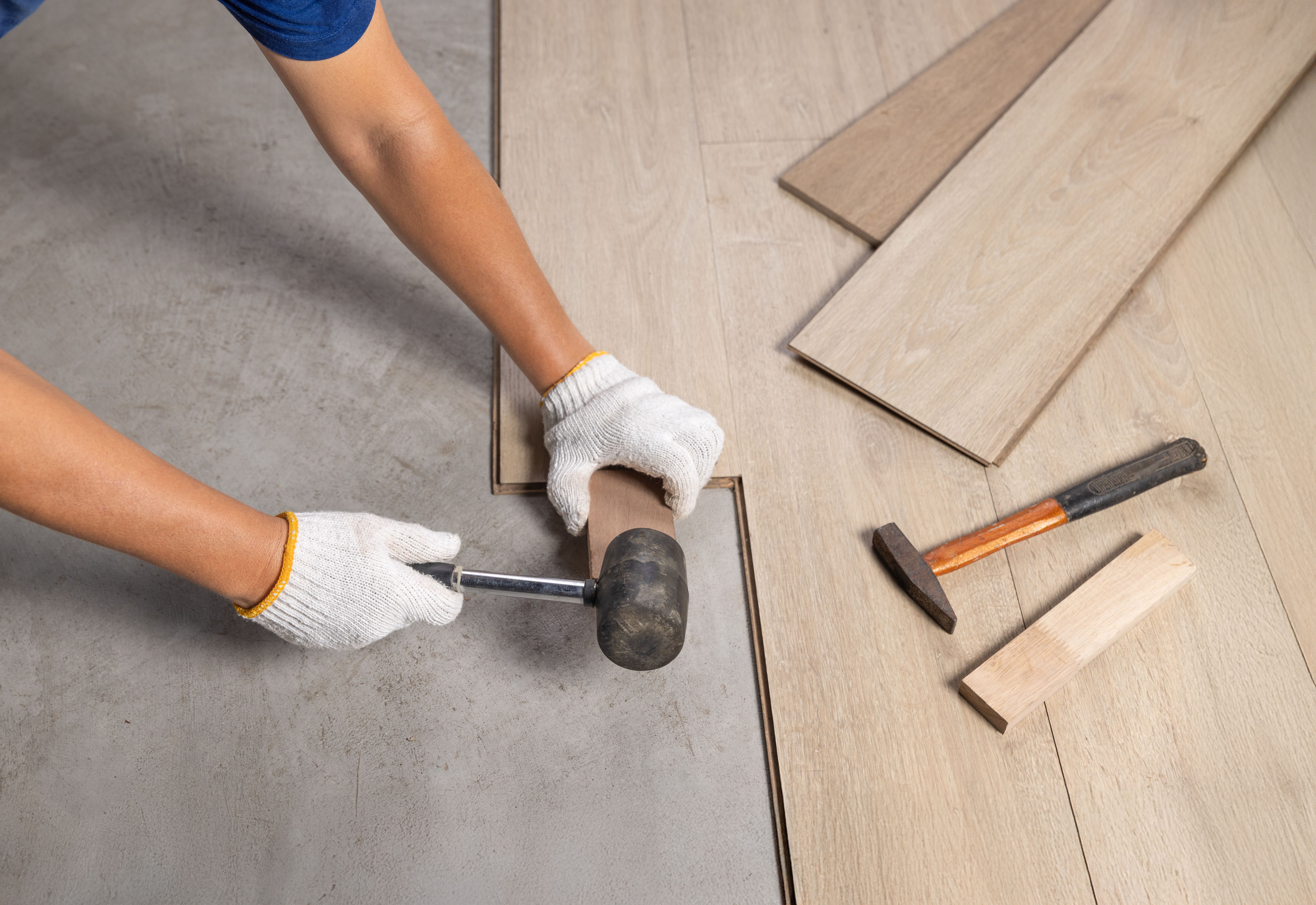
Engineered hardwood, however, can mimic the appearance of solid wood while offering more versatility in terms of installation. It can be installed over concrete or radiant heating systems, which increases your options when planning your home’s interior.
Cost Comparison
Budget is always a crucial consideration, and here, engineered hardwood generally has the edge. While both engineered and solid hardwood can vary in price depending on the type of wood and finish, engineered options are often more affordable.

However, it’s essential to weigh the initial cost against the long-term value. Solid hardwood may require a larger upfront investment, but its ability to be refinished multiple times can make it a more economical choice over the years.
Environmental Impact
If sustainability is a priority for your home improvement projects, both options have their merits. Solid hardwood is a natural product sourced from trees, and when harvested responsibly, it can be a sustainable choice.
Engineered hardwood uses less hardwood per plank, making it a more resource-efficient option. Additionally, many manufacturers now offer engineered products made with eco-friendly adhesives and finishes, further reducing their environmental footprint.
Making the Right Choice
Ultimately, the decision between engineered and solid hardwood will depend on your specific needs and circumstances. Consider the location in your home, your budget, and your aesthetic preferences when making your choice.
Both options can add beauty and value to your home, so it’s essential to choose the one that aligns best with your lifestyle and long-term plans. Consulting with a flooring expert can also provide valuable insights tailored to your individual situation.